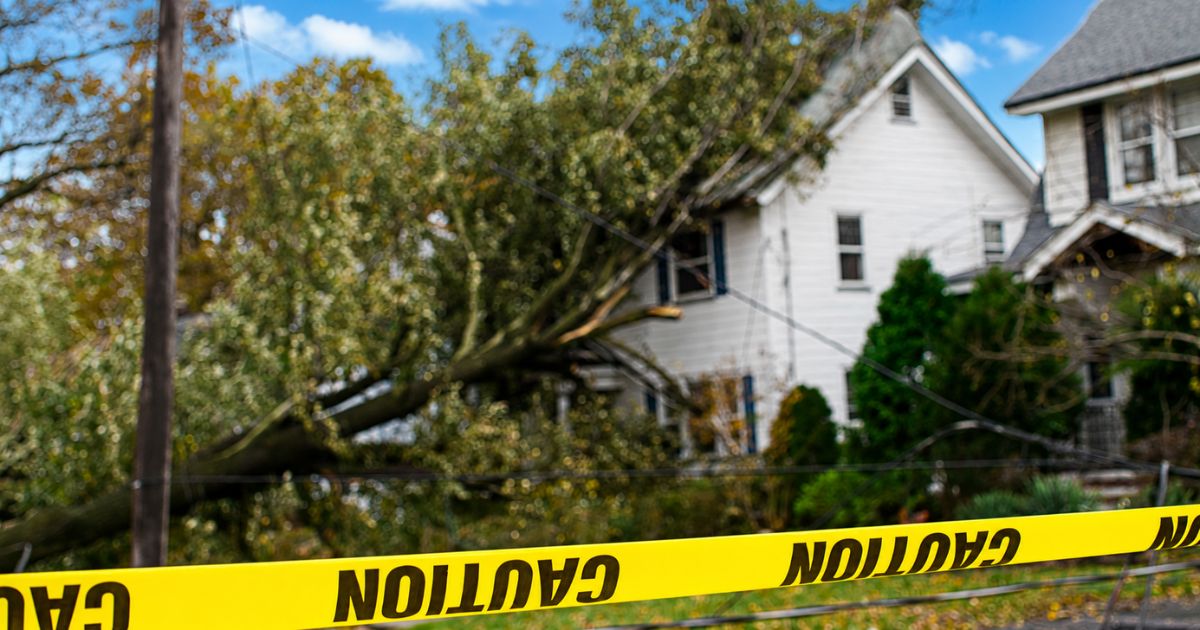
Summer storms have a way of exposing the little things homeowners meant to deal with “eventually.”
The loose gutter. The older roof. The basement that gets damp after a hard rain. The tree that looked mostly fine until the wind picked up.
For Columbia County homeowners, late spring and early summer are a smart time to look at more than the forecast. It is also worth reviewing your homeowners insurance before heavy rain, wind, fallen branches, and power outages become part of the season.
Columbia County has treated natural hazard planning as a real local issue. In February 2026, the Columbia County Office of Emergency Management announced that every town, village, and the City of Hudson had adopted the county’s FEMA-reviewed 2025 Multi-Jurisdiction Natural Hazard Mitigation Plan, which is designed to reduce risk and strengthen resilience against natural disasters.
That does not mean every storm becomes a claim. It does mean homeowners should know what their policy may - and may not - help with before something happens.
Your dwelling coverage helps insure the physical structure of your home. One common mistake is assuming the coverage limit only needs to match the home’s market value.
Insurance is usually more concerned with the cost to repair or rebuild.
That number can change over time. Construction materials, labor costs, renovations, additions, finished basements, porches, garages, and older-home details can all affect rebuilding costs.
That matters in Columbia County because homes vary so much from one property to the next. An older home in Hudson, a farmhouse in Ghent, a lake-area home near Copake, and a newer build outside Kinderhook may all have different coverage needs.
If you have made improvements since your last policy review, ask whether your coverage still reflects the home as it exists today.
Wind damage, fallen branches, roof damage, and damaged gutters are some of the more obvious storm-season concerns. But coverage depends on the policy, the cause of damage, the deductible, and whether maintenance issues are involved.
Insurance is generally meant for sudden and accidental damage, not long-term wear and tear. A tree brought down by a storm may be viewed differently from a tree that was clearly rotting for years. A roof damaged by a sudden event may be handled differently from a roof that has simply aged past its useful life.
Before storm season, walk around your property and look for simple warning signs: loose shingles, clogged gutters, dead branches, leaning trees, weak fencing, or water pooling near the foundation.
Not exciting, no. But useful.
Many homeowners know they have a deductible. Fewer know exactly what kind.
New York DFS explains that a typical homeowners policy may include a standard deductible, windstorm deductible, and hurricane deductible. Some windstorm deductibles may be percentage-based rather than a flat dollar amount.
That can make a big difference after a storm. A $1,000 deductible is easy to understand. A 2% or 5% deductible on the insured value of the home is a different conversation.
Your declarations page is the place to start. It usually summarizes your policy period, coverage limits, deductibles, premium, discounts, and riders. If you have not looked at it in a while, now is a good time.
This is one of the most common misunderstandings in homeowners insurance: standard homeowners insurance generally does not cover flood damage.
New York DFS notes that flood insurance is generally excluded from homeowners and tenants policies and must be purchased separately, often through federal flood insurance programs.
That can surprise people who do not live directly on the Hudson River or next to a visible creek. Heavy rain, runoff, saturated ground, poor drainage, and low-lying areas can still create serious water issues.
The takeaway is simple: if you are unsure whether you have flood coverage, ask. Do not wait until water is already coming in.
Flooding and water backup are not the same thing.
Water entering from outside may be treated differently from water backing up through a sewer, drain, or sump pump. New York DFS explains that some homeowners insurers offer water backup endorsements for sewer backups, including sump pump failure, and homeowners should ask whether this coverage is available and included in their policy.
This can be especially important if you have a basement, finished lower level, sump pump, older plumbing, or a home that has had drainage issues during heavy rain.
The question is not only, “Do I have homeowners insurance?” The better question is, “Do I have the right coverage for the risks my property actually has?”
Storm damage does not always stop at the main house.
Garages, sheds, fences, workshops, barns, outdoor furniture, lawn equipment, and tools may all raise coverage questions. Many policies include some coverage for detached structures and personal property, but limits and exclusions can vary.
This is worth reviewing if you have expensive tools in a garage, equipment in a shed, business property at home, or belongings stored in a basement.
Storm season can also create liability concerns. A damaged walkway, loose railing, fallen limb, or post-storm cleanup situation can create risk for homeowners.
Homeowners policies typically include personal liability coverage, but limits vary. New York DFS also notes that personal excess or umbrella policies may provide additional liability protection above the limits of a homeowners or renters policy.
Before summer weather gets more unpredictable, ask your insurance advisor:
FAQ
Does homeowners insurance cover storm damage?
It may, depending on the cause of damage, policy language, and deductible. Wind and tree damage are handled differently from flood, water backup, or maintenance-related issues.
Does homeowners insurance cover flooding?
Standard homeowners insurance generally does not cover flood damage. Flood insurance is usually purchased separately.
What is water backup coverage?
Water backup coverage may help with certain losses involving sewer, drain, or sump pump backup, depending on the policy and endorsement.