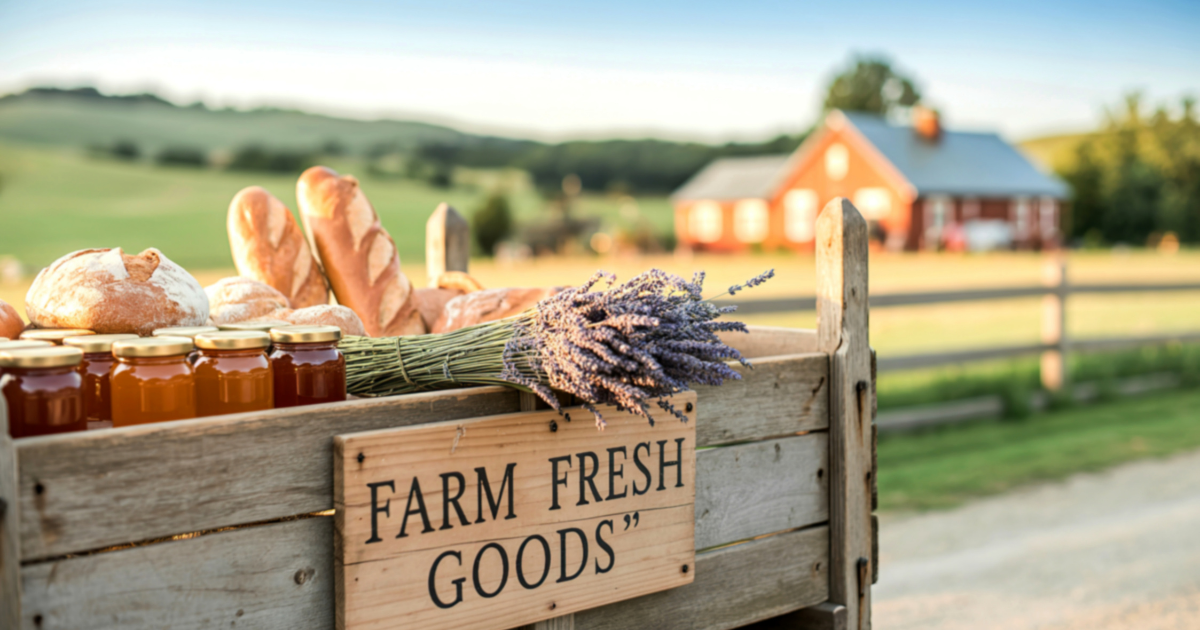
By June, Columbia County farms are not “getting ready” anymore. They are already moving.
Equipment is out. Farmstands are opening. Deliveries are happening. Seasonal help may be coming in. Customers are stopping by. Visitors are asking about U-pick, animals, events, produce, flowers, eggs, hay, or whatever the farm happens to offer that week.
It is a good kind of busy. But it is still busy.
And when a farm gets busier, the insurance conversation changes.
Columbia County has a meaningful agricultural footprint. According to Columbia County Planning, the county has 444 farms using 79,391 acres of land, nearly 20% of the county’s land area. The average farm size is 179 acres.
That means farm insurance is not a niche topic here. It is a local business, property, liability, and family protection issue.
Before the peak summer season gets too far along, here are the areas Columbia County farm owners should review.
A farm policy should reflect what is actually on the property today, not what was there five or ten years ago.
Barns, sheds, greenhouses, workshops, fencing, irrigation systems, storage buildings, livestock shelters, farm offices, coolers, and roadside stands can all raise coverage questions. If a structure has been added, renovated, repurposed, or filled with more valuable equipment, it may be time to review the policy.
This is especially important for farms that have grown gradually. A new high tunnel here. A small retail setup there. A storage shed that now holds expensive tools. Those changes may feel normal day to day, but they can matter if there is a fire, windstorm, theft, collapse, or other covered loss.
The practical question is simple: does your current insurance still match the farm you are actually running?
Summer puts equipment to work.
Tractors, mowers, balers, utility vehicles, trailers, irrigation equipment, hand tools, attachments, and specialty machinery may be used more often in June, July, and August than at any other time of year.
Farm owners should review what equipment is scheduled or listed on the policy, how newer purchases are handled, and whether borrowed, rented, or leased equipment is addressed. If a key piece of equipment is damaged or stolen during the season, the financial impact can be more than the cost of repair. It can delay work, disrupt sales, or affect production.
This is also a good time to check where equipment is used. Is it only on the farm? Is it transported between parcels? Is it taken on public roads? Is it used by employees or family members?
Those details matter.
Farm vehicles are another area worth reviewing before summer gets fully underway.
The New York DMV states that vehicles registered with Farm Plates require insurance. It also notes that if a vehicle displays a “FARM” plate, it may only be operated within 25 miles of the farm.
That does not mean every farm vehicle has the same coverage need. Trucks, trailers, tractors, utility vehicles, and vehicles used for deliveries or hauling may each require a different conversation.
Farm owners should ask:
Which vehicles are insured?
Who is allowed to drive them?
Are vehicles used on public roads?
Are they used for deliveries or customer-facing activity?
Are trailers and attached equipment properly addressed?
A farm vehicle problem can become a property issue, an auto issue, and a liability issue very quickly.
A quiet private farm is one thing. A farm with customers on the property is another.
If you operate a farmstand, sell at markets, offer U-pick, host workshops, run seasonal events, allow visitors near animals, or invite the public onto the property, your liability exposure changes.
New York’s Department of Agriculture and Markets has issued guidance around the Safety in Agricultural Tourism Act, including best practices for evaluating risks and using effective signage for agricultural tourism activities.
Insurance should be part of that same conversation. A farm owner may need to review general liability, product liability, premises liability, agritourism exposure, special events, and vendor or market requirements.
The goal is not to make farm life sound scary. It is to make sure the policy reflects what the public is actually being invited to do.
Many farms rely on a mix of family labor, part-time help, seasonal workers, contractors, volunteers, or informal extra hands during busy months.
That can create confusion.
The New York Workers’ Compensation Board states that virtually all employers in New York State must provide workers’ compensation coverage for their employees.
Farm owners should not guess here. If people are working on the farm — even seasonally or part time — it is worth reviewing whether workers’ compensation, disability benefits, and related coverage obligations apply.
This is also a good time to clarify the difference between employees, contractors, volunteers, and family members. Those categories may not be treated the same way from an insurance or legal standpoint.
A farm’s insurance needs can change depending on what it sells.
Raw produce, eggs, meat, dairy, flowers, prepared foods, jams, baked goods, cider, alcohol-related products, plants, firewood, hay, and animal products can all create different coverage questions.
A farm that only grows hay may have a different exposure from a farm selling prepared foods at a market or inviting visitors to pick fruit on-site.
Before summer gets too busy, farm owners should ask whether their policy properly reflects:
The more public-facing the farm becomes, the more important these details become.
Farm claims can involve more than damaged property. They can involve injuries, vehicles, visitors, workers, animals, equipment, or business activity.
New York DFS explains that liability coverage helps protect assets if a business or its employees are negligent and cause bodily injury or property damage. DFS also notes that excess liability, often called umbrella coverage, can extend protection when a claim exceeds the limits of an underlying policy.
For farms with visitors, vehicles, employees, high-value property, or multiple business activities, umbrella or excess liability coverage may be worth discussing.
Before the farm gets any busier, ask your insurance advisor:
Farm insurance is not one-size-fits-all. A small hobby farm, working dairy farm, horse property, orchard, vineyard, farmstand, and agritourism operation may all need different coverage conversations.
If you operate a farm in Columbia County, Kneller Insurance can help you review your current policy, identify seasonal changes, and make sure your coverage still fits the way your farm works today.
Farm insurance may include coverage for dwellings, farm buildings, equipment, liability, vehicles, livestock, or business activities, depending on the policy. Coverage varies, so farm owners should review their exact policy with an insurance advisor.
Yes. The New York DMV states that vehicles registered with Farm Plates require insurance.
It can. If customers visit the property or products are sold directly to the public, farm owners should review liability, product liability, premises exposure, and any market or vendor requirements.
Some farms should. If a farm has vehicles, visitors, workers, animals, equipment, or public-facing activities, umbrella or excess liability coverage may be worth discussing.